
For many travel baseball players, the goal is clear: play college baseball.
But talent alone doesn’t secure a roster spot. In today’s competitive recruiting landscape, communication matters just as much as performance. College coaches are flooded with emails, social media messages, recruiting profiles, and tournament schedules every single day. The players who stand out are not just skilled, they are professional, proactive, and strategic in how they communicate.
If you’re serious about playing at the next level, here’s exactly how to communicate with college baseball coaches the right way.
Understand the Recruiting Landscape First
Before sending your first email, it’s important to understand how college baseball recruiting works.
- Division I programs often begin identifying players as early as freshman or sophomore year.
- Division II and Division III programs may recruit later but still expect early communication.
- Coaches prioritize players they’ve seen in person at showcase tournaments, camps, and competitive travel events.
This is where elite travel baseball programs play a major role. Competing in high-level showcase tournaments provides athletes exposure in front of college recruiters and scouts, giving real substance behind the emails you send.
At Hitters Baseball, our players compete against top national competition in events where college coaches are actively recruiting. That exposure makes communication far more impactful.
Start with a Professional, Personalized Email
Your first email sets the tone. Keep it simple, direct, and professional.
What to Include in Your First Email
- Clear Subject Line
Example: 2027 RHP – 6’2” 185 lbs – Wisconsin – Hitters Baseball - Introduction
Name, graduation year, primary position, height/weight, and current team. - Why You’re Interested in That School
Mention academics, campus culture, or something specific about the program. Avoid generic copy-and-paste messages. - Athletic Information
Measurables (exit velocity, pop time, 60-yard dash, pitching velocity), GPA, intended major, and video links. - Upcoming Schedule
Tournament names, dates, and locations. - Contact Information
Phone number, email, and travel coach contact.
Keep it concise. Coaches don’t need your life story, they need relevant information quickly.
Timing Matters More Than You Think
Recruiting is about timing.
- Freshman/Sophomore Year: Begin introducing yourself.
- Junior Year: Heavy communication and follow-ups.
- Senior Year: Final opportunities and late recruiting.
Send emails before major tournaments, before showcase camps, and after strong performances when you have updated stats or video.
Consistency shows maturity and genuine interest.
Follow Up, But Don’t Overdo It
One email is rarely enough.
If you don’t hear back:
- Wait 2–3 weeks.
- Send a short follow-up.
- Include new metrics, updated video, or tournament results.
Coaches are busy. A lack of response does not mean lack of interest.
However, avoid sending constant messages without meaningful updates. Make each communication count.
Let Your Play Do the Talking
Emails may get attention. Performance creates opportunity.
When a coach comes to watch you:
- Compete with energy.
- Be vocal and engaged.
- Show confident, resilient body language.
- Hustle on and off the field.
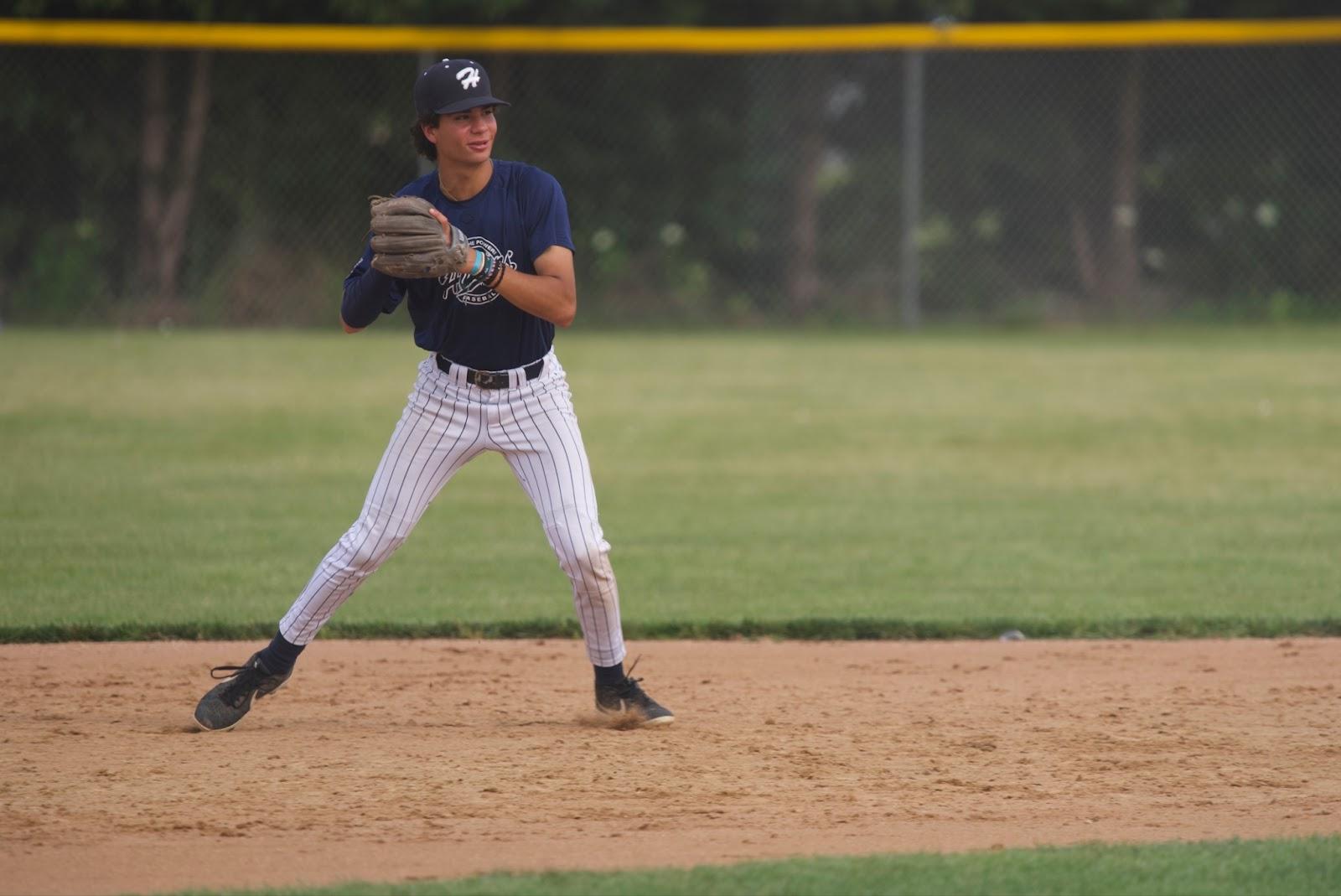
Coaches recruit more than tools, they recruit character, coachability, and competitiveness.
That’s why development environments matter. Playing high-level competition consistently prepares athletes to perform under pressure in front of recruiters.
Use Video the Right Way
Video is critical in modern baseball recruiting.
Best Practices for Recruiting Video
- Keep it 3–5 minutes.
- Start with your best clips.
- Show game action first.
- Include defensive reps, offensive swings, or bullpen footage.
- Label radar readings and measurables clearly.
Avoid overly edited highlight reels with heavy graphics and music. Coaches want clarity, not production value.
Pick Up the Phone
Many players rely solely on email and social media. A phone call can separate you from the crowd.
If a coach shows interest:
- Be prepared.
- Research the program.
- Have thoughtful questions ready.
- Speak clearly and confidently.
Parents should allow the athlete to lead conversations. College coaches recruit players, not parents.
Be Realistic About Your Fit
Every player dreams of Division I baseball. But the best fit is the program that:
- Matches your academic goals.
- Aligns with your athletic development.
- Provides opportunity to compete and grow.
There are strong opportunities at every level, Division I, II, III, NAIA, and Junior College.
The right fit leads to long-term success.
The Role of Travel Baseball in Recruiting Success
Travel baseball plays a major role in recruiting exposure.
High-level showcase tournaments:
- Put players in front of decision-makers.
- Provide measurable data against elite competition.
- Allow coaches to evaluate players multiple times.
Programs like Hitters Baseball are built to provide that platform. Our structure, from youth levels through high school showcase teams, allows players to develop long-term and compete at events where college recruiters are present.
Over 400 former and current Hitters players have gone on to play college baseball. That doesn’t happen by accident. It happens through:
- Development
- Exposure
- Accountability
- Preparation
Communication works best when paired with real opportunity to be seen.
Common Mistakes to Avoid
Here are mistakes that can hurt recruiting chances:
- Sending generic mass emails.
- Having unprofessional social media.
- Not including measurables or schedules.
- Letting parents control communication.
- Giving up after one unanswered message.
- Poor body language during games.
Recruiting is a process, not a moment.
Character Matters More Than You Think
Talent may open the door, but character keeps it open.
Coaches evaluate:
- Work ethic
- Leadership
- Response to adversity
- Academic performance
- Coachability
Competitive travel programs help athletes develop discipline and accountability early. Those traits become visible in recruiting conversations and game environments.
Players who commit fully to their development, on and off the field, separate themselves.
Control What You Can Control
You can’t control roster spots.
You can’t control scholarship budgets.
You can’t control how many emails a coach receives.
You can control:
- Your preparation
- Your communication
- Your development
- Your attitude
When you combine elite competition, consistent development, and professional communication, opportunities follow.
Recruiting isn’t about being lucky.
It’s about being ready.
Take the Next Step in Your Development
If your goal is to play college baseball, you need more than talent, you need exposure, preparation, and a competitive environment that challenges you daily.
Hitters Baseball provides athletes with the opportunity to compete in elite showcase tournaments, develop advanced fundamentals, and gain visibility in front of college coaches and professional scouts.
Experience commitment. Experience passion. Experience opportunity.
Experience Hitters Baseball. FEEL THE POWER.
