
Ages 10–14 represent one of the most important stages in a baseball player’s development. During these years, young athletes move from learning the basic rules of the game to building the skills, habits, and confidence needed for competitive baseball.
Players start facing better pitching, quicker game speed, and higher expectations. The habits formed during this stage, both good and bad, can shape how a player performs as they move into high school baseball and beyond.
For parents and players who want to maximize improvement during these years, understanding how youth baseball development works is essential.
Why Ages 10–14 Are Critical for Baseball Development
The Transition From Recreational Baseball to Competitive Travel Baseball
Many players between ages 10 and 14 begin moving from recreational leagues into more competitive environments such as travel baseball. The pace of the game increases, pitchers throw harder, and defensive mistakes become more costly.
This transition challenges players to refine their mechanics and develop better awareness on the field.
Why Fundamentals and Habits Developed During These Years Shape Long-Term Success
Fundamentals built at this stage become the foundation for future development. Mechanics, throwing routines, defensive footwork, and hitting habits learned now tend to stay with players as they grow.
When these fundamentals are taught correctly, players build confidence and consistency. When they are ignored, players often struggle later when the game becomes faster.
How Proper Coaching, Reps, and Structure Impact Player Growth
Improvement in baseball comes from repetition and feedback. Players who train with purpose and focus on mechanics, drills, and situational understanding develop much faster than those who rely only on games for experience.
What This Guide Will Teach Parents and Players
This guide will help parents and players understand the most important parts of youth baseball development.
Players will learn about:
- The most important skills youth baseball players should develop
- How structured training accelerates improvement
- What types of training environments help players gain a competitive edge
The Foundation of Youth Baseball Development
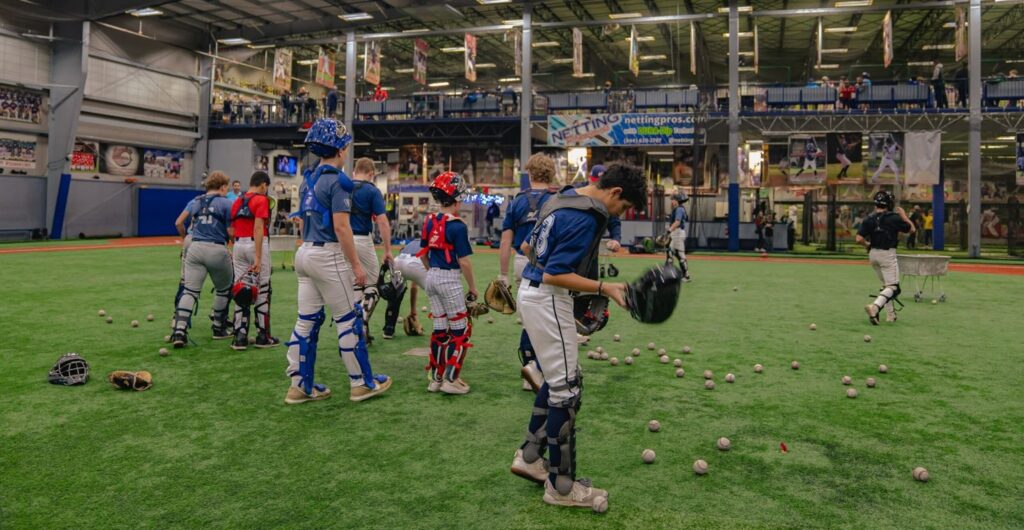
Strong player development always begins with the fundamentals. These core skills allow players to perform consistently as the game becomes more competitive.
Building Strong Fundamentals Early
Players ages 10–14 should focus on developing strong fundamentals in several key areas:
- Proper hitting mechanics
- Throwing mechanics and arm care
- Defensive footwork and glove skills
- Baseball IQ and situational awareness
Learning these skills early allows players to develop confidence and consistency on the field.
Why Repetition and Quality Coaching Matter
The Difference Between Casual Practice and Structured Development
Casual practice often lacks focus. Structured training targets specific skills, allowing players to repeat the correct movements and build consistency.
How Professional Coaching Accelerates Improvement
Experienced coaches can identify mechanical issues and provide clear adjustments. Fixing these details early prevents players from developing habits that become difficult to change later.
Why Players Need Consistent Instruction and Feedback
Players improve fastest when instruction remains consistent. Repeating the same cues and techniques allows athletes to build muscle memory and confidence.
Development Over Winning
Youth baseball development should prioritize growth over short-term success.
Benefits of a development-first approach include:
- Stronger fundamentals
- Greater long-term improvement
- Increased confidence as competition improves
Players who build these habits early often perform better as they progress into higher levels of baseball.
Key Skills Every Player Ages 10–14 Must Develop
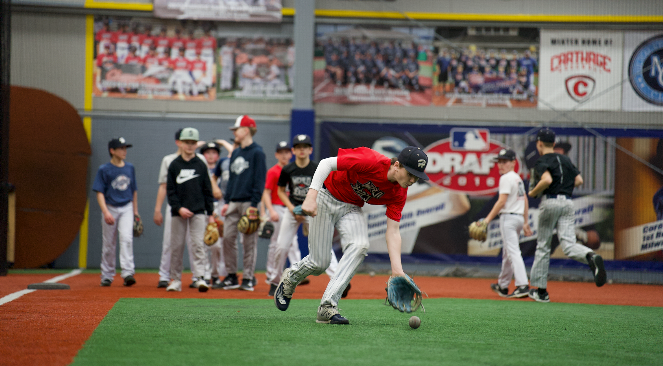
During these developmental years, players should focus on building skills that impact every part of the game.
Hitting Development
Young hitters should focus on several important elements of offensive development:
- Bat control and consistent contact
- Timing and rhythm at the plate
- Developing power as players grow
The goal at this age is not simply hitting the ball harder. The priority should be learning to make solid, consistent contact with good mechanics.
Throwing and Pitching Mechanics
Throwing development should emphasize efficiency and safety.
Key focus areas include:
- Proper arm path and throwing mechanics
- Building arm strength safely
- Improving throwing accuracy and consistency
A strong throwing foundation helps both pitchers and position players perform more effectively.
Defensive Skills
Defensive development should include training for both infield and outfield play.
Important defensive fundamentals include:
- Infield footwork and fielding technique
- Outfield routes and tracking fly balls
- Quick glove-to-hand transfers and accurate throws
Consistent defensive practice helps players become more reliable in game situations.
Speed and Athleticism
Athletic development plays a major role in youth baseball performance.
Players benefit from developing:
- Sprint speed and first-step quickness
- Agility and body control
- Conditioning suited for baseball movement
Improving athletic movement helps players perform better both offensively and defensively.
Why Year-Round Training Accelerates Player Development
Consistent training allows players to maintain their skills and continue improving throughout the year.
The Benefits of Off-Season Training
The offseason provides valuable development opportunities for young athletes.
Players can focus on:
- Refining mechanics without game pressure
- Increasing repetitions through structured practice
- Building strength and athletic movement
These improvements often translate directly into better performance during the season.
Indoor Training During the Winter
Players in colder regions often rely on indoor training facilities during the winter months.
Indoor training helps players:
- Maintain swing mechanics
- Continue throwing routines
- Prepare for the upcoming season
Maintaining training consistency throughout the year helps athletes avoid losing progress.
Small Group Instruction and Focused Development
Small group training environments provide several advantages:
- Individual attention from instructors
- Immediate feedback and corrections
- Increased repetitions for each player
These settings allow coaches to address individual needs while maintaining a productive training environment.
The Hitters Baseball Development System
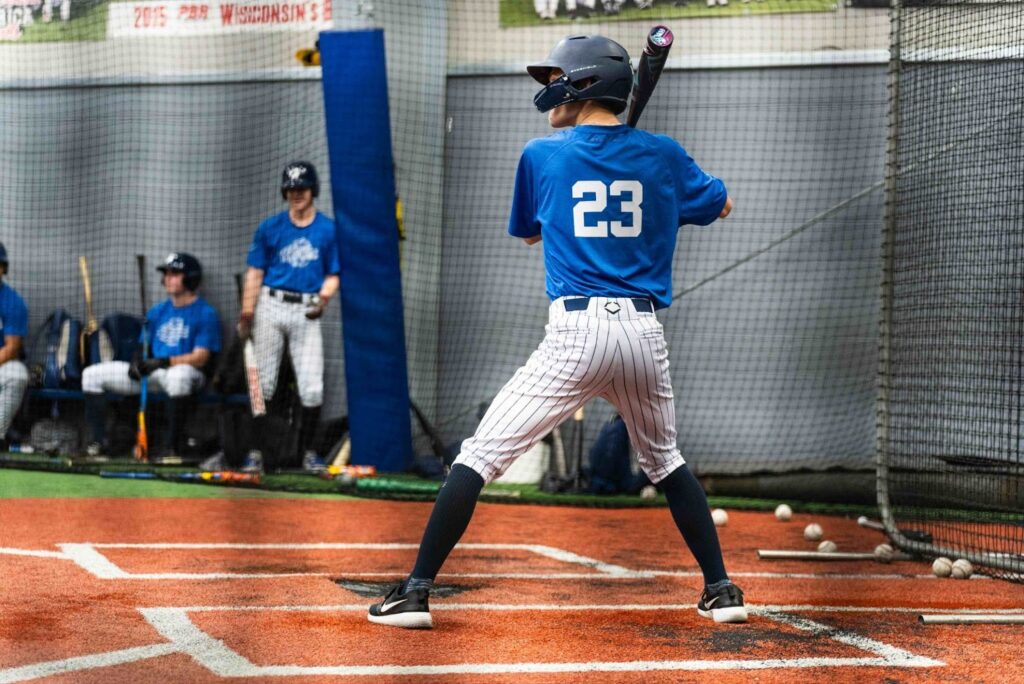
Strong development programs create an environment where players can consistently improve.
A Proven Player Development Pathway
Hitters Baseball offers teams ranging from youth levels through high school ages, allowing players to grow within a structured development system.
Development-First Coaching Philosophy
The program emphasizes:
- Strong fundamentals
- Improved baseball knowledge
- Confidence and discipline on the field
This approach helps players build both skill and character.
Real Results From the Hitters Program
The program has produced significant player success, including:
- Over 400 players advancing to college baseball
- 70 players reaching professional baseball
These results reflect years of structured development and coaching.
Train Like the Pros at Hitters Baseball Academy
The training environment plays an important role in player development.
State-of-the-Art Baseball Training Facility
The facility supports year-round training through:
- Indoor turf training areas
- Batting cages
- Equipment designed for baseball development
These resources allow players to train consistently regardless of weather.
Cage Rentals for Individual Skill Development
Players can reserve cages to complete additional practice outside of team activities.
Cage sessions allow players to:
- Get additional swings
- Work on throwing and mechanics
- Practice with teammates or individually
A Competitive Training Environment
Training alongside other motivated athletes encourages improvement through:
- Competitive practice sessions
- High-repetition skill work
- Consistent effort and focus
The Long-Term Benefits of Proper Youth Development
Strong youth development helps players build skills that last throughout their baseball careers.
Building Skills That Translate to Higher Levels
Players who develop strong fundamentals early adapt more easily as the level of competition increases.
Developing Discipline and Work Ethic
Consistent practice helps players develop:
- Work ethic
- Responsibility
- Commitment to improvement
Creating Complete Student-Athletes
Youth sports also teach valuable life skills including:
- Time management
- Teamwork
- Confidence and leadership
These lessons extend beyond the baseball field.
The Path to Becoming an Elite Baseball Player Starts Early
Youth baseball development is a long-term process. Players improve through consistent practice, strong fundamentals, and quality coaching.
Development Is a Process
Progress takes time. Athletes who stay patient and continue practicing the right habits will see steady improvement.
The Right Environment Makes the Difference
Players develop faster when they have access to:
- Knowledgeable coaching
- Structured training opportunities
- Consistent practice environments
Start Your Development at Hitters Baseball Academy
Players who want to continue improving can benefit from consistent training and quality instruction.
Hitters Baseball Academy in Caledonia, Wisconsin provides programs designed to help players develop their skills and prepare for higher levels of competition.
Contact Hitters Baseball Academy
📍 2915 6 ½ Mile Road, Caledonia, WI 53108
📞 (262) 835-1800
🌐 https://hittersbaseballacademy.com
Reserve training, sign up for programs, or learn more about upcoming opportunities today.Experience commitment. Experience passion. Experience opportunity.
Experience Hitters Baseball. FEEL THE POWER! ⚾
