
For many families navigating college baseball recruiting, showcase tournaments can feel both exciting and overwhelming. Players know that college coaches attend these events, but the bigger question is what those coaches are actually evaluating once they arrive. It is rarely just about one swing, one pitch, or a single highlight play. Coaches use showcase tournaments as an opportunity to evaluate a player’s overall ability, competitiveness, and long-term potential.
In today’s recruiting landscape, showcase tournaments have become one of the most valuable ways for college coaches to see players in person. Instead of relying on highlight videos or stat lines, coaches can watch athletes compete against strong opponents and evaluate how they perform under pressure. They are looking at tools, projection, baseball IQ, and how players carry themselves throughout the entire weekend.
At Hitters Baseball Academy, we emphasize that exposure alone is not enough. The players who truly stand out are the ones who arrive prepared, confident, and ready to compete. In this guide, we break down exactly what college baseball coaches look for at showcase tournaments and how players can maximize their opportunities in the recruiting process.
Why Showcase Tournaments Matter in College Baseball Recruiting
Showcase tournaments play a major role in the modern college baseball recruiting process. They provide a unique environment where college coaches can evaluate multiple prospects while watching them compete in real game situations.
Showcases Give Coaches Side-by-Side Comparisons
One of the biggest benefits of showcase tournaments is that they allow coaches to compare players directly. Instead of evaluating prospects one at a time through video clips or statistics, recruiters can watch several athletes compete in the same environment.
These events often include measurable testing, positional drills, and competitive games. This structure gives coaches a clear view of each player’s athletic ability, mechanics, and potential.
When dozens of talented prospects are participating in the same event, coaches can quickly identify players who stand out. It also allows them to see how athletes stack up against other players competing for similar positions.
Recruiters Want to See Players Against Strong Competition
College coaches want to see how players perform when the level of competition increases. A hitter who dominates weaker pitching may struggle when facing elite arms, while a pitcher who throws strikes against top hitters demonstrates real potential.
Showcase tournaments bring together strong travel programs and talented players from different regions. This level of competition creates a more accurate evaluation environment for recruiters.
At Hitters Baseball, we believe playing strong competition is essential for development and recruiting exposure. When our players compete against elite talent, college coaches can see exactly how their skills translate to the next level.
Exposure Works Best When Preparation Comes First
While showcases provide valuable exposure, they do not replace development. Players who arrive prepared both physically and mentally are the ones who make the strongest impression.
Athletes who have trained consistently, refined their skills, and built confidence in competitive environments tend to perform better when the spotlight is on. Showcases reward players who are ready for the moment.
That is why preparation, training, and experience are critical parts of the recruiting process. Exposure creates the opportunity, but preparation allows players to take advantage of it.
The First Things College Baseball Coaches Notice
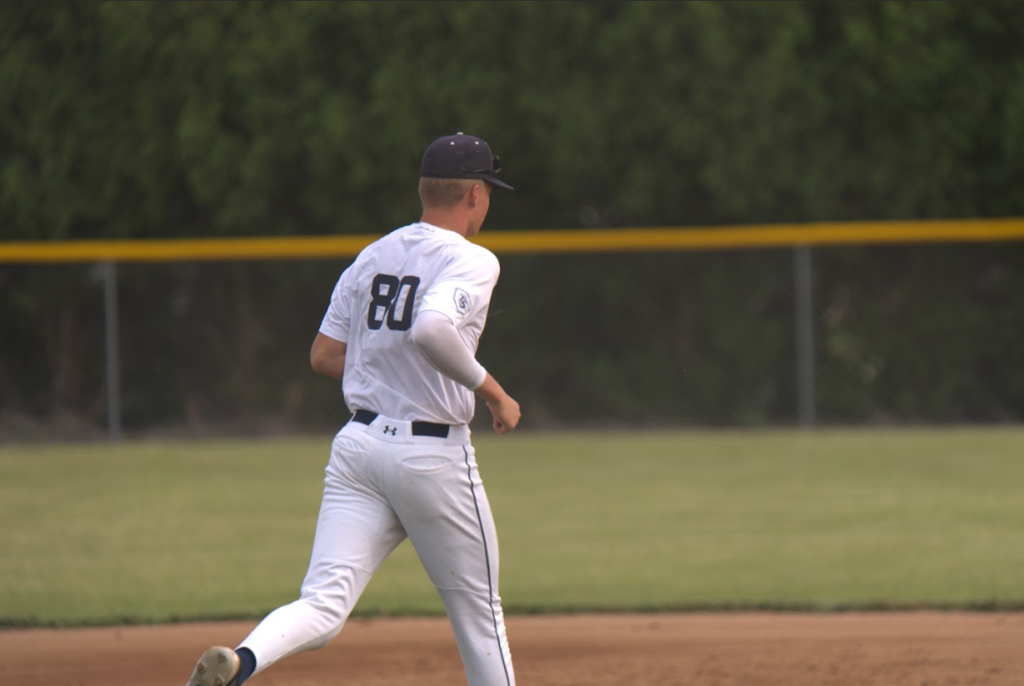
When college coaches arrive at a showcase tournament, certain traits stand out immediately. These first impressions often determine which players recruiters continue watching throughout the event.
Athletic Tools and Projectable Ability
The first thing many coaches notice is overall athletic ability. Even before the game begins, recruiters are evaluating movement patterns, body control, and physical tools.
Some of the most noticeable traits include:
- Athleticism and coordination
- Arm strength
- Bat speed
- Body control and balance
- Explosiveness and movement quality
- Potential for physical development
College baseball recruiting often focuses on projection. Coaches are not only evaluating what a player can do today, but what they might become with the right development over the next few years.
Players who show athletic ability and room to grow physically often attract attention because they have long-term upside.
Position-Specific Measurables Still Matter
Recruiting in baseball also includes measurable benchmarks that vary by position. Coaches frequently evaluate metrics that help them understand a player’s physical tools.
These can include:
- Pitch velocity for pitchers
- Pop times for catchers
- Infield and outfield throwing velocity
- 60-yard dash times
- Exit velocity for hitters
These numbers provide a baseline for evaluation. However, they are rarely the deciding factor. Coaches ultimately want to see how those measurable tools translate into real game performance.
How Players Carry Themselves on the Field
Body language and presence can say a lot about a player.
College coaches pay attention to how athletes carry themselves throughout the event. This includes warmups, drills, and time spent in the dugout.
They often look for:
- Hustle between reps
- Consistent energy
- Confidence without arrogance
- Focus after mistakes
- Engagement with teammates
Players who show discipline, maturity, and strong work habits tend to stand out for the right reasons. These qualities often reflect how a player will handle the responsibilities of college athletics.
The Intangibles That Separate Recruits From Prospects
While physical tools are important, many recruiting decisions are influenced by intangible qualities. These traits often separate players who receive offers from those who simply attract attention.
Coachability Shows Up in Real Time
One of the most important qualities coaches look for is coachability.
During showcase tournaments, recruiters watch how players respond to feedback, instruction, and in-game adjustments. Athletes who are open to learning and capable of adapting quickly demonstrate strong coachability.
This signals that the player will continue to develop in a structured college program.
Baseball IQ and Game Awareness Matter
Another important factor in college baseball recruiting is baseball intelligence.
Players with strong baseball IQ understand the game at a deeper level. They make smart decisions, anticipate plays, and understand situational baseball.
Coaches evaluate things such as:
- Defensive positioning
- Awareness of runners and game situations
- Knowing where to throw the ball
- Understanding counts and strategy
- Anticipating the next play
These details may not always show up in the stat sheet, but they make a big difference at the college level.
Competitiveness Under Pressure Reveals Readiness
Showcase tournaments can be intense environments. Players know coaches are watching, which naturally creates pressure.
College coaches pay close attention to how players handle those moments. Do they stay composed after a mistake? Do they compete harder when facing tough competition?
The ability to stay focused and compete under pressure is a trait that college programs value highly.
What Coaches Evaluate During Game Action
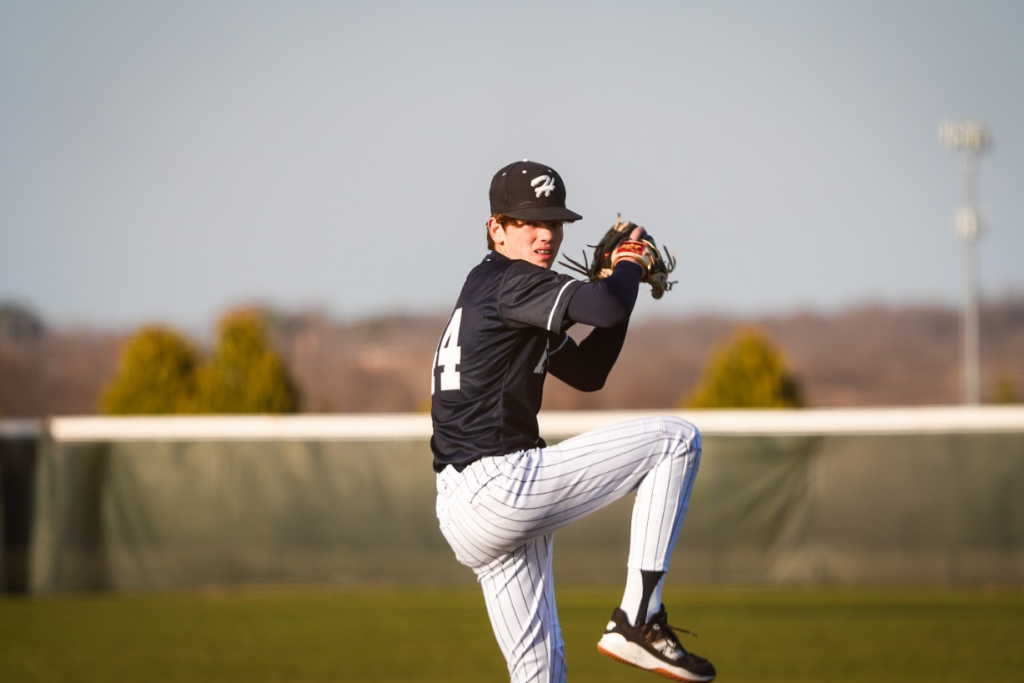
While drills and metrics provide helpful information, game action is where coaches gain the clearest picture of a player’s abilities.
In-Game Performance Carries More Weight Than Flashy Moments
A strong batting practice round might grab attention, but coaches ultimately care about performance during real competition.
During games, recruiters evaluate things like:
- Quality of at-bats
- Pitch command and execution
- Defensive reads and positioning
- Throwing decisions
- Situational awareness
These skills demonstrate whether a player’s tools translate effectively during competitive play.
Players Are Evaluated Between Pitches Too
Many evaluations happen between pitches.
College coaches observe how players prepare for each play and how they interact with teammates throughout the game.
They often watch for:
- Communication on the field
- Pre-pitch readiness
- Backing up plays
- Leadership and encouragement
- Reactions after mistakes
These small details reveal a player’s focus, preparation, and understanding of the game.
Consistency Builds Trust With Recruiters
Consistency is one of the most valuable traits a player can demonstrate.
A single highlight play may grab a coach’s attention, but consistent performance builds trust. Coaches want players with repeatable mechanics, reliable fundamentals, and steady effort.
Players who perform consistently throughout an event often leave the strongest impression.
Common Mistakes Players Make at Showcase Tournaments
Even talented athletes can struggle at showcase events if they approach them the wrong way.
Trying to Impress Instead of Playing Their Game
Many players feel pressure to stand out, which sometimes leads to unnecessary mistakes.
Common examples include:
- Overswinging at the plate
- Rushing throws in the field
- Trying to throw harder than usual
- Forcing highlight plays
Instead of trying to impress coaches with flashy moments, players should focus on executing fundamentals and playing their game.
Ignoring the Recruiting Side of the Event
Showcase tournaments are also part of the recruiting process. Players who prepare off the field can gain an advantage.
This may include researching schools that will be attending, communicating with coaches before the event, and understanding which programs may be a good fit.
Preparation outside of the game can create valuable recruiting opportunities.
Letting One Bad Result Affect the Rest of the Weekend
Baseball is a game of failure. Even great players experience tough moments.
College coaches understand this, which means they often pay more attention to how players respond after mistakes. Maintaining composure and staying competitive throughout the weekend can leave a stronger impression than one great play.
How Players Can Stand Out in the College Baseball Recruiting Process
Players who approach showcases with a clear strategy often gain the most recruiting opportunities.
Arrive Prepared With a Recruiting Plan
Preparation starts long before the event begins.
Players should take time to identify schools that fit their goals and skill level. They should also know their current measurable numbers and have updated schedules available.
Being organized and proactive helps players maximize every recruiting opportunity.
Pair Showcase Exposure With Year-Round Development
Exposure works best when players are consistently developing their skills.
Year-round training helps athletes improve strength, refine mechanics, and build confidence. Players who invest in development are better prepared to perform when opportunities arise.
At Hitters Baseball Academy, we focus on helping players build the skills and mindset needed to succeed when college coaches are watching.
Follow Up the Right Way After the Event
The recruiting process often continues after the showcase ends.
Players can strengthen recruiting relationships by following up with coaches, sharing updated schedules, and providing video from future games.
Consistent communication helps players stay on a coach’s radar throughout the recruiting process.
Why the Right Travel Baseball Program Can Make a Difference
The environment where players train and compete can significantly impact their recruiting journey.
Development, Exposure, and Guidance Work Best Together
Successful recruiting pathways combine several important elements.
Players benefit from:
- Competitive schedules
- High-level training
- Recruiting education
- Experienced coaching
- Strong team culture
When these pieces work together, players are better prepared for showcase tournaments and college recruiting opportunities.
Hitters Baseball Builds Players Who Are Ready to Be Evaluated
At Hitters Baseball Academy, preparing players for the next level has always been our mission.
Our program combines year-round training, competitive travel teams, and a recruiting-focused environment that helps athletes grow into complete players. Through our training facility in Caledonia and our competitive schedules across the Midwest, our players gain the experience needed to perform when college coaches are watching.
Over the years, more than 400 Hitters players have gone on to play college baseball and over 70 have played professionally. That success reflects our commitment to development, competition, and preparing athletes for the next level.
Frequently Asked Questions
What Do College Baseball Coaches Look for at Showcase Tournaments?
College coaches evaluate a combination of athletic tools, game performance, and intangibles. They look for players who demonstrate strong fundamentals, competitiveness, baseball IQ, and the potential to continue developing at the college level.
Are Baseball Showcases Worth It for College Recruiting?
Yes, showcases can be valuable when players attend the right events and arrive prepared. They provide opportunities for direct exposure to college coaches and allow recruiters to evaluate players in live competition.
When Should Players Start Attending Baseball Showcases?
Many players begin attending showcases during their sophomore or junior year of high school. However, timing depends on a player’s development, goals, and readiness to compete in recruiting environments.
Do College Coaches Care More About Stats or Projection?
While statistics provide helpful context, most college coaches focus more on projection and live evaluation. They want to see how a player’s tools translate during games and whether the athlete has the potential to develop further at the college level.
The Players Who Get Noticed Are the Ones Who Are Prepared
Showcase tournaments create important opportunities in the college baseball recruiting process, but preparation is what allows players to take advantage of those opportunities.
College coaches are evaluating far more than statistics. They look for athletic tools, competitiveness, baseball IQ, and the ability to perform under pressure. Players who combine skill development with preparation are the ones who consistently stand out.
At our academy, we focus on helping players build the skills, mindset, and experience needed to succeed in these environments.
Ready to take the next step in your recruiting journey?
Explore our programs, training opportunities, and recruiting pathways at Hitters Baseball Academy and start preparing for your opportunity to play college baseball.
Learn More About Our Recruiting Pathway:
- Showcase Tournaments and Recruiting
https://hittersbaseballacademy.com/showcase-tournaments-recruiting/ - How Hitters Players Get Recruited
https://hittersbaseballacademy.com/inside-hitters-baseball-recruiting/ - How to Get Noticed by College Baseball Coaches
https://hittersbaseballacademy.com/get-noticed-college-baseball/ - What Is the Midwest Showcase
https://hittersbaseballacademy.com/what-is-the-midwest-showcase/
Hitters Baseball Academy Training Programs
https://hittersbaseballacademy.com/
