
If you watch elite travel baseball players hit, one thing becomes clear fast. Their swings are not built on random reps. They are built on purpose. The best players rely on structured, intentional hitting drills for baseball that directly improve timing, barrel control, posture, and power.
Instead of just “getting swings in,” elite hitters train with a goal behind every rep. Each drill is designed to fix a weakness or sharpen a strength. That is what separates average hitters from players who consistently perform in big moments.
Why Elite Travel Players Rely on Purpose-Driven Hitting Drills
At the highest levels of travel baseball, players cannot afford to waste swings. Every drill has a purpose, and every rep is tied to game performance.
What Separates Productive Drills From Empty Reps
Productive drills are built around intent. They are not just about making contact. They are about improving a specific part of the swing.
A high-quality drill does three things:
- Targets a real weakness in the swing
- Reinforces proper movement patterns
- Transfers directly into game situations
Empty reps, on the other hand, look good in practice but do not show up in games. That is why elite players constantly evaluate whether a drill is actually helping them hit better pitching, not just feel better in the cage.
The Skills Elite Hitters Are Actually Training
The best baseball hitting drills focus on outcomes that matter in competition. Elite travel players consistently train:
- Timing so they are on time for velocity
- Adjustability to handle pitches high, low, inside, and outside
- Lower-half rotation to generate power from the ground up
- Consistent contact with the barrel in the right position
- Line-drive power that translates to real production
Every drill in this article ties back to one or more of these core skills.
How to Get More From Hitting Drills Before You Start

Before jumping into drills, how you prepare matters just as much as what you do.
Start With a Short Warm-Up That Prepares the Swing
A good session starts with a quick, focused warm-up. This should not take long, but it should get your body and swing ready to perform.
Start with light movement to loosen up your hips and shoulders. Follow that with dry swings focusing on balance and rhythm. Then take a few controlled tee swings to lock in your mechanics.
This simple progression helps you avoid jumping straight into full-speed swings before your body is ready.
Match the Drill to the Problem
Not every drill fits every hitter. The best players choose drills based on what they actually need to improve. If you are consistently late, focus on timing drills. If you are rolling over ground balls, work on the barrel path. If you struggle with high pitches, train that specific zone.
This targeted approach is what makes hitting drills for baseball truly effective. It turns practice into problem-solving instead of guesswork.
Five Hitting Drills for Baseball That Travel Players Should Master
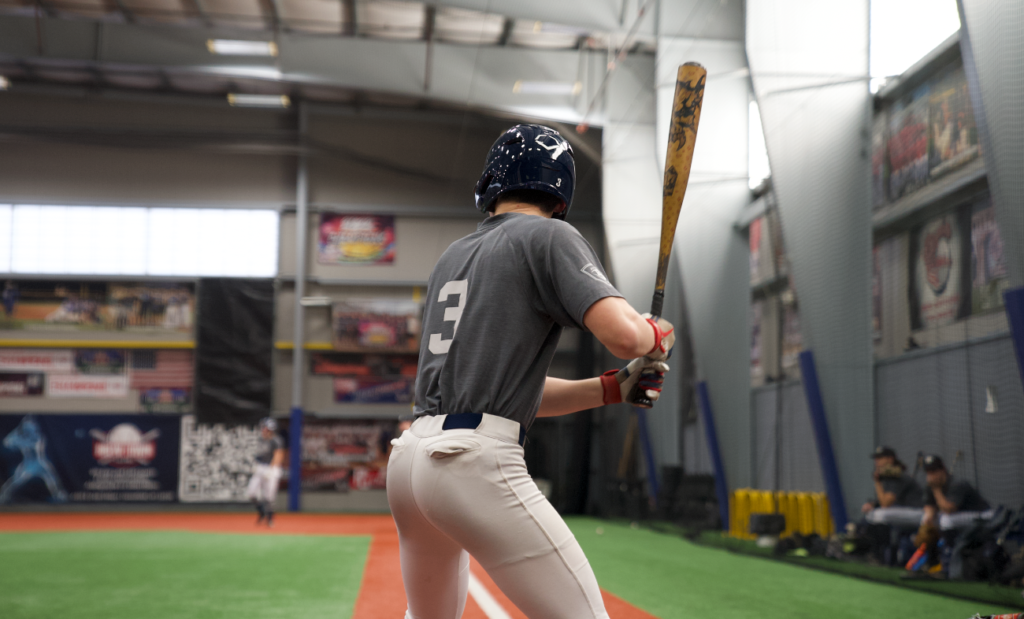
These are foundational drills used by advanced players. Each one has a clear purpose and a direct impact on game performance.
1. High Tee Drill for Better Contact on Pitches Up in the Zone
What it works on: Staying on top of the baseball and handling high pitches
How to perform it:
Set the tee at the top of the strike zone. Focus on hitting line drives without dropping your hands or uppercutting too early. Keep your posture strong and your swing direct.
Common mistake:
Many players drop their back shoulder or try to lift the ball too much, leading to weak pop-ups.
Why it helps in games:
High fastballs are one of the hardest pitches to hit. This drill trains you to stay through the ball and drive it with authority instead of swinging underneath it.
2. Low Tee Drill for Driving Low Pitches With Authority
What it works on: Barrel control and maintaining posture on low pitches
How to perform it: Place the tee at the bottom of the strike zone. Focus on driving the ball on a line without collapsing your back side.
Common mistake: Players often drop their hands too much or roll over, producing weak ground balls.
Why it helps in games: Pitchers live at the bottom of the zone. This drill teaches you how to drive those pitches instead of just making soft contact.
3. Stride Drill for Balance and Better Timing
What it works on: Timing and control of the forward move
How to perform it: Start in your stance, then slowly lift and control your stride. Land softly while keeping your hands back. Swing only after you are balanced and ready.
Common mistake: Rushing the stride or drifting forward, which throws off timing.
Why it helps in games: Good timing starts with a controlled stride. This drill helps you stay on time against different pitch speeds and locations.
4. Full Turns Drill for Lower-Half Power
What it works on: Generating power from the lower half
How to perform it: Take controlled swings focusing on fully rotating your hips and back foot. Feel the energy transfer from your legs through your core and into the bat.
Common mistake: Using mostly arms instead of engaging the lower body.
Why it helps in games: Power comes from the ground up. This drill builds the foundation for stronger, more explosive swings.
5. High Middle Low Drill for Barrel Adjustability
What it works on: Adjusting to different pitch locations
How to perform it: Set up three tee positions or have a coach mix locations high, middle, and low. Focus on maintaining the same swing while adjusting your barrel path.
Common mistake: Changing the entire swing instead of making small adjustments.
Why it helps in games: Pitchers will not throw the same pitch twice. This drill prepares you to handle any location without losing your mechanics.
How to Build These Drills Into a Weekly Hitting Routine
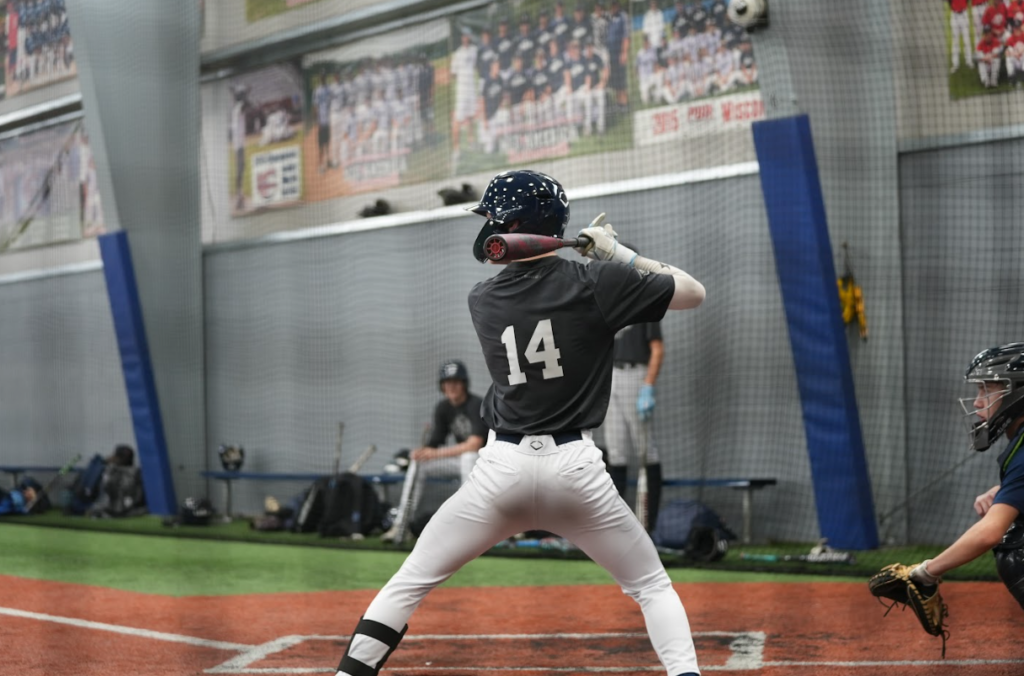
Knowing the drills is one thing. Using them correctly is what makes the difference.
A Simple Practice Progression That Makes Sense
A strong routine keeps things organized and intentional. Start with a warm-up to prepare your body. Move into tee work like high and low tee drills. Add a timing drill like the stride drill. Then finish with adjustability work and game-like swings.
This progression builds your swing step by step instead of rushing into full-speed reps.
Quality Reps Beat High Volume Every Time
More swings do not always mean better results. Elite players focus on quality. Each swing should have intent. Pay attention to how the ball comes off the bat. Make adjustments between reps. Slow down when needed.
Focused practice leads to faster improvement than just trying to hit as many balls as possible.
Common Hitting Drill Mistakes That Slow Player Development
Even good drills can fail if they are used the wrong way.
Using Every Drill for Every Hitter
Not all drills are universal. What works for one player might not work for another. The key is to identify your weaknesses and choose drills that address them directly.
Moving Too Fast and Losing Feel
Rushing through drills often leads to bad habits. Players lose balance, timing, and control. Slowing down helps you feel the correct movements and build consistency.
Practicing Mechanics Without Game Intent
Drills should always connect to real hitting situations. It is not enough to look good in the cage. You need to hit line drives, stay on time, and compete against live pitching.
Train Like Elite Hitters and Bring It Into Games
Elite travel players do not rely on random practice. They train with purpose.
The best hitting drills for baseball are built around specific outcomes like timing, adjustability, and power. Tee drills, timing work, and barrel control drills form the foundation of a strong swing.
Consistency comes from repeating the right movements with intent. When you train like this, your performance in games starts to match your work in practice.
Frequently Asked Questions
What Are the Best Hitting Drills for Baseball Players at Home
The best at-home drills include tee work, dry swings, and stride drills. If space allows, front toss is also highly effective. The key is focusing on quality reps with a clear purpose.
How Often Should Baseball Players Do Hitting Drills
Short, focused sessions several times per week are more effective than long, occasional workouts. Consistency and intent matter more than total swing count.
Which Hitting Drill Helps Most With Timing
Stride drills are one of the most effective ways to improve timing. They teach control, rhythm, and how to stay balanced while loading into the swing.
Are Tee Drills Still Useful for Advanced Travel Baseball Players
Yes. Advanced hitters use tee drills to refine barrel path, improve pitch-location awareness, and build consistent contact. Tee work remains one of the most valuable tools at every level.
Take The Next Step With Hitters Baseball Academy
If you are serious about improving your swing, the environment you train in matters.
At Hitters Baseball Academy, players do more than just take swings. They train with purpose, compete at a high level, and develop the skills needed to succeed in travel baseball and beyond.
From cage work to advanced training programs, Hitters provides the structure and coaching needed to turn these drills into real game performance.
Ready to take your game to the next level?
Visit hittersbaseballacademy.com or call 📞 262.835.1800 to get started today.
