
For many players, the goal is clear: compete in college baseball and keep the game going for as long as possible. The challenge is that talent alone rarely gets a player recruited. Travel baseball recruiting works best when players combine exposure, development, school fit, and consistent communication with college coaches. Travel baseball can absolutely open doors, but only when families use the right tournaments, the right recruiting materials, and the right strategy.
The path from travel ball to college baseball is not about chasing attention. It is about creating real opportunities and being ready when they come.
Why Travel Baseball Matters in College Baseball Recruiting
Travel baseball plays a major role in the college baseball recruiting process because it gives players access to better competition, better exposure, and often better guidance. When used the right way, it becomes a platform for growth rather than just a schedule full of games.
Travel Baseball Puts Players in Front of More Recruiters
One of the biggest advantages of travel baseball is visibility. College coaches cannot be everywhere, and they are not going to see every high school game in a player’s area. Travel tournaments and showcase weekends help solve that problem by placing large numbers of players in one setting, often against strong competition and in front of multiple evaluators.
That concentration of talent makes it easier for coaches to scout several prospects in a short amount of time.
Better Competition Creates Better Evaluation Opportunities
Recruiting is about projection. Coaches are trying to decide whether a player’s tools, instincts, and performance will translate to the college level.
Facing quality pitching, defending against stronger lineups, and playing in faster game environments gives coaches a better read on how a player competes. That is why travel baseball recruiting is not just about showing up at events. It is about proving you can perform against players who can also play.
Travel Programs Often Provide Recruiting Support
A good travel program does more than put a uniform on a player. It can help families understand fit, identify smart events, and navigate communication with coaches. Some programs also provide coach advocacy, schedule guidance, and access to training that sharpens a player’s profile over time. Still, not every organization delivers the same recruiting value.
Families should look beyond branding and ask how a program actually helps players move toward college baseball.
What College Baseball Coaches Are Really Looking For
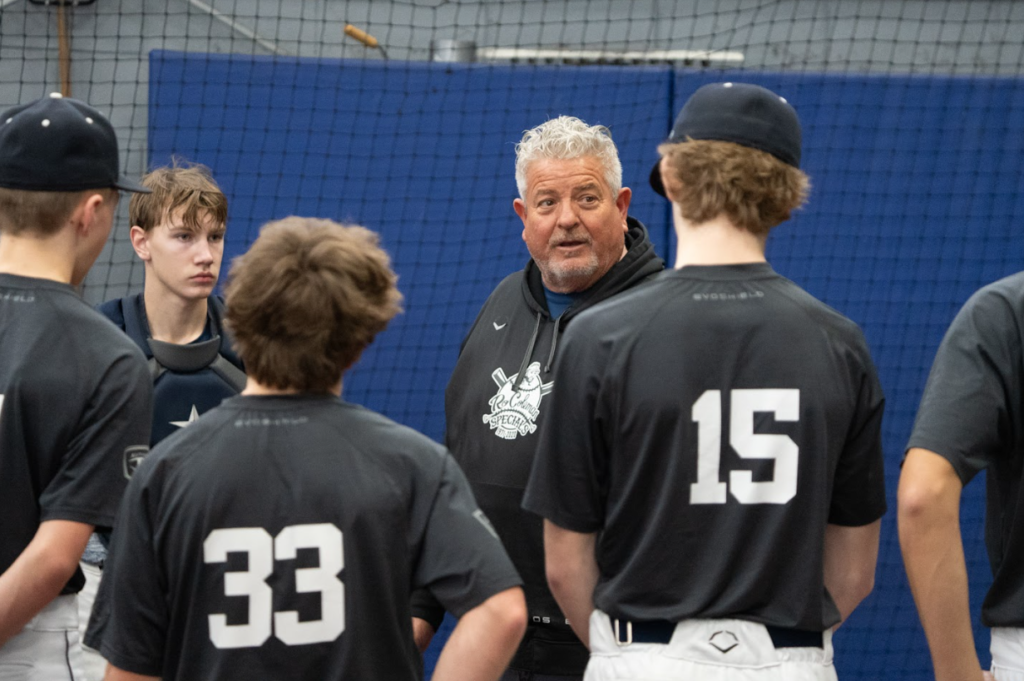
College coaches are evaluating much more than box score stats. The strongest recruits usually stand out because they bring a combination of athletic ability, competitive habits, academic readiness, and realistic fit for a program.
Athletic Tools and Projectability
Coaches recruit for future college performance, not just current high school success. They are evaluating athleticism, positional value, arm strength, speed, bat-to-ball skill, power potential, and how those tools may develop over time.
A player who is still growing into his body or showing upward trends can be highly attractive because coaches are building for what comes next, not only what is happening right now.
Competitive Makeup and Coachability
Body language matters. So does effort, resilience, consistency, and how a player responds after failure. College baseball is demanding, and coaches want players who can handle adversity, accept instruction, and compete with maturity.
Families cannot control every measurable, but they can control habits. Showing up prepared, being a good teammate, staying engaged in tough moments, and responding well to coaching all strengthen a player’s recruiting profile.
Academics and School Fit
Recruiting is never only about baseball. Coaches also need players who can clear admissions standards, stay eligible, and fit the culture of the school.
That is why academic performance and realistic school matching matter so much. A player who targets schools that align with his grades, goals, and level of play gives himself a much better chance of finding a real opportunity instead of wasting time on poor-fit programs.
How the Recruiting Process Really Works for Travel Baseball Players
The recruiting process can feel overwhelming at first, but it becomes more manageable when families break it into clear steps. Players who stay organized and proactive usually create more opportunities than players who simply hope to be discovered.
Build a Target School List Early
A strong recruiting plan starts with a smart school list. Players should identify schools based on baseball level, academics, campus setting, geography, and overall fit. That means looking beyond Division I and recognizing that Division II, Division III, NAIA, and junior college baseball can all be excellent paths.
The goal is not to collect the biggest logos. The goal is to find programs where a player can compete, develop, and belong.
Create the Core Recruiting Materials
College coaches need information quickly. Players should be ready with a clean recruiting video, a baseball resume or player profile, verified measurables, and an updated tournament schedule.
A short introductory email is also important because it gives coaches context and helps them know when and where to watch. These materials do not need to be flashy. They need to be clear, accurate, and easy to evaluate.
A solid recruiting package should include:
- A current skills or game video
- A player profile with contact information
- Measurables and academic information
- Team schedule and upcoming event dates
- A short personalized email to coaches
Contact Coaches With Purpose and Consistency
This is where many players lose momentum. Too many families assume that attending events will be enough.
In reality, coach communication often creates the difference between being seen and being overlooked. Players should send personalized emails, share schedules before tournaments, and follow up with updates after strong performances or major improvements.
The key is consistency without becoming repetitive. Coaches want relevant communication, not spam.
The Travel Baseball Recruiting Timeline That Families Should Follow
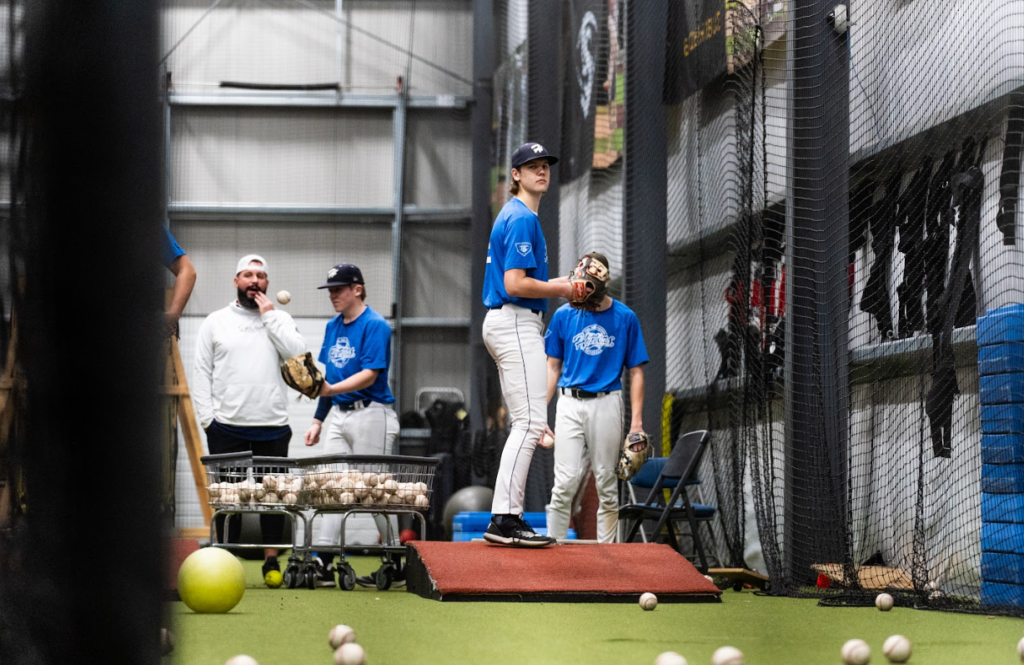
Recruiting moves faster for players who understand what matters at each stage. The exact pace can vary, but a smart timeline helps families stay focused and avoid last-minute scrambling.
Freshman and Sophomore Years Build the Foundation
Early high school years should focus on development, academics, strength, and learning the recruiting landscape.
Players should begin researching schools, improving their tools, and competing in environments that challenge them. This is also the right time to build good habits around communication and event selection, even before recruiting activity becomes more serious.
Junior Year Is Often the Turning Point
For many players, junior year is when college baseball recruiting starts to accelerate. By then, a player should have video, updated measurables, a target list, and a plan for contacting coaches before key travel baseball tournaments, showcases, and camps.
NCAA recruiting calendars and communication rules still matter, especially for Division I, so families should stay aware of the current guidelines while being proactive on their end.
Senior Year Becomes About Fit and Opportunity
Senior year is about narrowing options, continuing outreach, visiting campuses, and staying ready for opportunities that open late. Not every player commits early, and that is important to remember.
There are still roster spots to be earned across divisions, especially for players who keep improving and stay organized. Persistence matters because the right fit often takes time to develop.
How to Choose the Right Events for Maximum Exposure
Not every recruiting event serves the same purpose. Families get better results when they match the event to the player’s goals, level, and target schools.
Tournaments vs Showcases vs College Camps
Travel baseball tournaments usually give coaches live-game looks, which can be valuable for evaluating instincts, pace, and competitiveness.
Showcases often focus more on tools and measurables, which can help players establish a baseline for where they fit. College camps are different because they create direct access to a specific coaching staff. Each format has value, but the best choice depends on what a player needs most at that point in the process.
Why Generic Exposure Is Not Enough
Exposure without direction can become expensive and frustrating. Going to random events without aligning them to target schools, realistic levels, or actual recruiting needs often leads to little return.
A better strategy is to identify schools that fit, communicate with those coaches, and then attend the tournaments, showcases, or camps that give those programs a chance to evaluate you. Recruiting works better when it is intentional.
Mistakes That Slow Down Travel Baseball Recruiting
A lot of recruiting frustration comes from avoidable mistakes. Knowing what can stall the process helps families make smarter decisions earlier.
Waiting for Coaches to Find You
One of the biggest myths in baseball recruiting is that great players will always be discovered. Some are, but many are not. With so many athletes competing for limited roster spots, players need to take ownership of the process.
That means outreach, updates, organization, and follow-through. Being passive is one of the fastest ways to fall behind.
Chasing Prestige Instead of Fit
It is easy to become fixated on Division I, but that mindset can hurt players if it keeps them from pursuing strong opportunities elsewhere.
The college baseball landscape has also become tighter because the transfer portal continues to shape roster management and create competition for spots. Families need to be realistic, informed, and open-minded about all levels of college baseball.
Joining a Team Without a Real Recruiting Plan
Not every travel baseball program offers meaningful recruiting support. Some provide strong coaching, event access, and player advocacy. Others mainly offer games and branding.
Families should ask direct questions about schedule quality, communication support, development structure, and how the program helps players connect with the right college opportunities.
How Families Can Turn Travel Baseball Into a Real College Opportunity
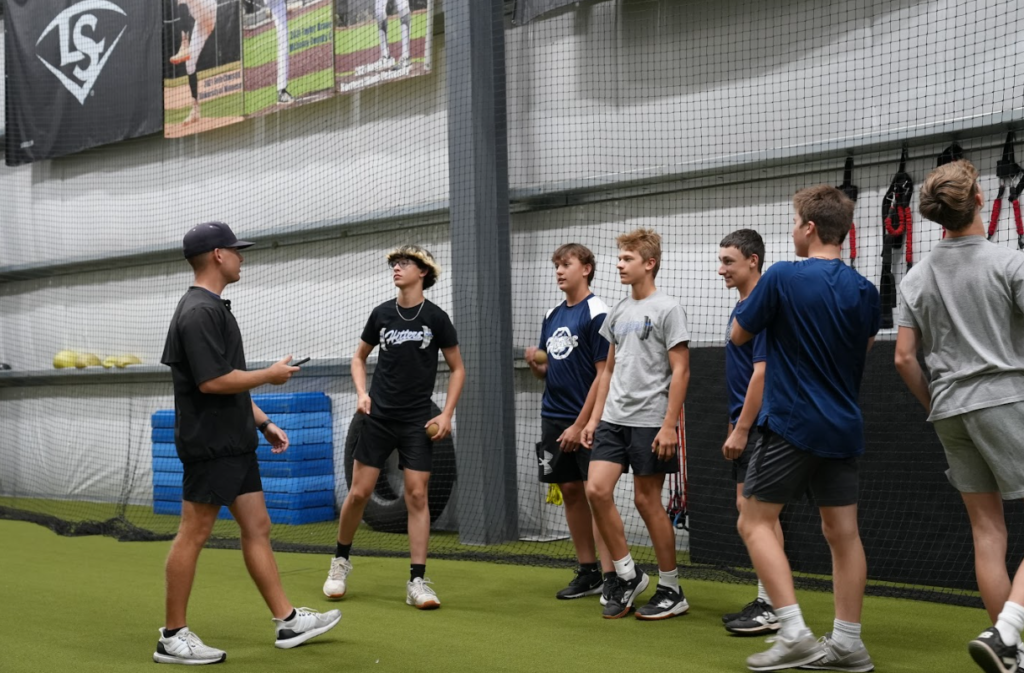
The best recruiting outcomes usually come from a steady, disciplined approach. Families do not need a perfect path. They need a smart one.
Focus on Development Before Branding
Exposure matters, but development still drives results. Players improve their recruiting value by getting stronger, moving better, sharpening baseball IQ, and becoming more consistent in real games.
A recognizable team name can help open a door, but performance and growth are what keep that door open.
Stay Organized Like a Serious Recruit
Treat recruiting like an ongoing process, not a one-time event. Keep track of schools, coach contacts, event schedules, responses, academic updates, and next steps.
Organized players communicate better, follow up better, and make better decisions under pressure. That kind of structure can reduce stress and help families feel more in control of the path ahead.
Use Travel Baseball as a Platform, Not a Shortcut
This may be the most important takeaway of all. Travel baseball is not a guarantee, and it is not a shortcut to college baseball. It is a platform.
When players pair that platform with initiative, honest self-evaluation, strong habits, and a real fit-based recruiting plan, it becomes far more powerful. The goal is not to be seen once. The goal is to become recruitable over time.
Frequently Asked Questions
This section covers a few of the most common questions families ask when trying to understand how travel baseball recruiting really works.
Does Travel Baseball Help With College Recruiting
Yes, but only when it is paired with player development, strong competition, smart event selection, and direct communication with college coaches. Travel baseball gives players more chances to be evaluated, but it does not replace the need for performance and planning.
When Should I Start Contacting College Baseball Coaches
Players can begin researching schools and reaching out early, but coach responses and communication are governed by recruiting rules that vary by division. That is why families should stay updated on current recruiting calendars while still building relationships and preparing materials ahead of time.
Are Baseball Showcases Worth It for Recruiting
They can be, especially when a player needs to verify tools and measurables or gain exposure in front of relevant coaches. They are most effective when they fit a player’s level and are part of a bigger recruiting plan rather than a random one-off event.
What Do College Baseball Coaches Look for in Recruits
Coaches look for a mix of athletic tools, projectability, performance, coachability, academics, and overall fit for their program. They are building rosters, not just collecting talent, so players who fit both athletically and personally often stand out most.
The Best Path Forward Starts With the Right Plan
The path from travel baseball to college baseball is very real, but it rewards players who are intentional.
The strongest outcomes usually come from combining quality competition, consistent development, smart communication, and realistic school targeting. Families who approach travel baseball recruiting with a plan give themselves a better chance to turn effort into opportunity.
At Hitters Baseball Academy, that process is built into the way players train and compete. From development and exposure to college-ready preparation, the goal is to help athletes grow into real recruiting opportunities.To learn more about the travel baseball program, upcoming opportunities, or player development support, visit hittersbaseballacademy.com or call 📞262.835.1800.
