
Every hitter wants one thing heading into the season: to hit the ball harder and more consistently. But if your swing feels slow or late, it is usually not about effort. It is about efficiency, strength, and intent. If you are serious about how to increase bat speed before the season starts, you need a plan that blends mechanics, power, and smart training.
The good news is that bat speed is highly trainable. With the right approach, you can make noticeable gains in just a few weeks and step into the season with more confidence, better timing, and more impact at the plate.
Why Bat Speed Matters More Than Ever Before Opening Day
Before diving into drills and training, it is important to understand why bat speed should be a priority in your pre-season work.
Bat Speed and Exit Velocity Work Together
Bat speed is one of the biggest drivers of exit velocity. The faster the barrel moves through the zone, the harder the ball can come off the bat. Even small increases in bat speed can lead to noticeable gains in how far and how hard the ball travels.
For hitters, this means more line drives, more extra-base hits, and better results even on slightly off-center contact.
Faster Bats Give Hitters More Margin for Success
Bat speed is not just about power. It gives you more room for error. A faster swing allows you to wait longer on pitches, adjust to off-speed, and still get the barrel to the ball.
That extra margin can be the difference between weak contact and driving the ball into the gap.
What Actually Increases Bat Speed
Improving bat speed is not about swinging harder. It is about moving better and more efficiently.
Better Swing Sequencing From the Ground Up
Great hitters generate bat speed from the ground up. The lower body starts the movement, the hips rotate, and the upper body follows.
If your sequence is off, your swing will feel rushed or disconnected. When your body works in sync, the bat accelerates naturally without forcing it.
Rotational Power Beats Swinging Hard With the Arms
One of the most common mistakes hitters make is trying to muscle the bat through the zone. This creates tension and slows everything down.
Real bat speed comes from rotational power. Your legs, hips, and core should drive the swing, while your hands deliver the barrel efficiently.
Intent Feedback and Tracking Make Training Work
Training without intent leads to slow progress. Every swing should have a purpose. Whether you are working off a tee or taking front toss, you should be focused on moving the bat fast.
Tracking your swings through video, sensors, or even simple feedback from a coach helps you stay accountable and see real improvement.
Fix These Swing Mistakes Before You Chase More Speed
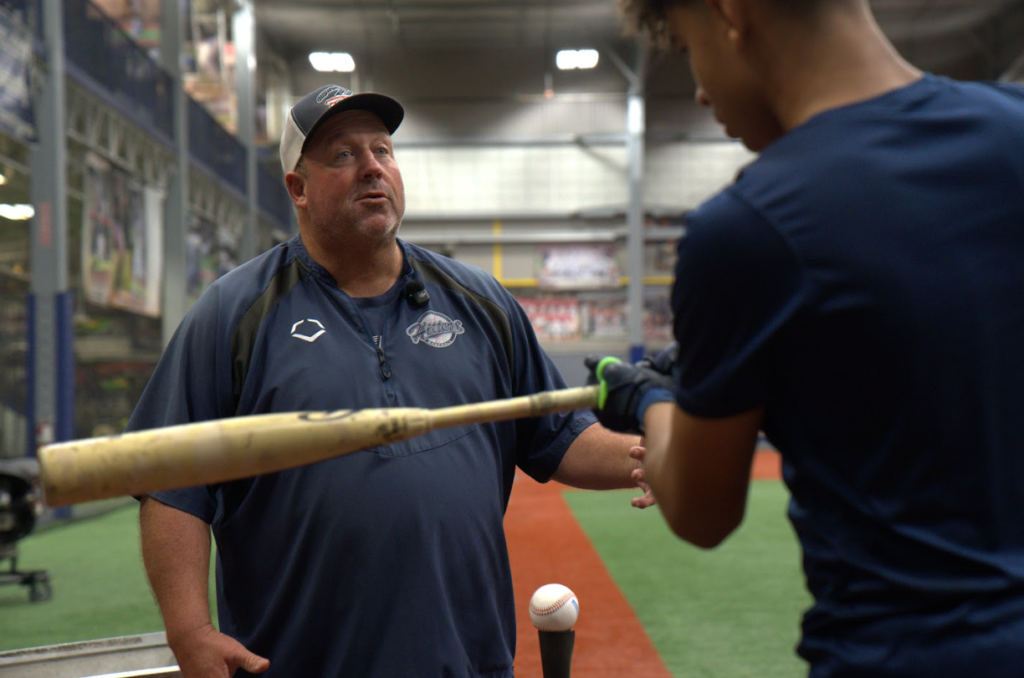
Before adding drills or strength work, it is critical to clean up the issues that may be limiting your bat speed.
Over-Swinging and Losing Barrel Control
Trying to swing harder often leads to longer, less efficient swings. When your swing gets long, your bat actually slows down.
Focus on quick, direct movements to the ball instead of trying to overpower it.
Poor Load and Late Launch
If your load is late or inconsistent, your swing will always feel rushed. A good load puts you in position early so you can fire quickly.
Working from a pre-loaded position in drills can help you feel what a fast, on-time swing should be like.
Tight Grip and Tension in the Upper Body
Tension is the enemy of bat speed. If you are gripping the bat too tight or locking up your upper body, your swing will slow down.
Stay relaxed and let the bat work through the zone with freedom and speed.
The Best Pre-Season Training Methods to Increase Bat Speed
Once your mechanics are in a good place, it is time to build the physical tools that support a faster swing.
Build Strength in the Weight Room
Strength is the foundation of bat speed. Focus on full-body movements like squats, deadlifts, and presses. These exercises build the strength needed to generate force in your swing.
Do not neglect your core, as it plays a major role in transferring energy from your lower body to the bat.
Train Explosive Rotational Power
Strength alone is not enough. You need to be able to apply it quickly.
Medicine ball throws, rotational slams, and band work are great ways to develop explosive power. These movements closely mimic the rotational nature of hitting and translate well to the field.
Use Overload and Underload Bat Work the Right Way
One of the most effective ways to improve bat speed is through overload and underload training.
Using a slightly heavier bat helps build strength, while a lighter bat helps train speed. Alternating between the two can improve how fast you move the bat with your game bat.
The key is to use this method with control and intent, not just swing randomly.
Five Bat Speed Drills to Use Before the Season Starts

Now it is time to put everything into action with drills that directly target bat speed.
Loaded Tee Launch Drill
Start in your loaded position and focus on firing your swing as quickly as possible. This helps train a faster launch and better timing.
Keep your movements clean and explosive.
Bat Speed Rounds off the Tee
Take short rounds where your only focus is bat speed. Limit each round to a small number of swings and go all out with intent.
Quality matters more than quantity here.
Medicine Ball Shotput Drill
Use a medicine ball and perform rotational throws against a wall. This builds the explosive power needed for a faster swing.
Focus on using your hips and core, not just your arms.
Power V or Inside Path Drill
This drill helps keep your swing efficient and direct. A clean path to the ball allows the barrel to move faster through the zone.
Efficiency and speed go hand in hand.
Overload and Underload Swing Set
Use a heavier bat, your game bat, and a lighter bat in sequence. Take controlled swings with each and focus on maintaining the same mechanics.
This contrast helps your body learn to move the bat faster.
A Simple Four-Week Pre-Season Bat Speed Plan
Having a plan is what separates random work from real progress. Here is a simple structure you can follow before the season starts.
Weeks One and Two Build Movement Quality and Strength
Start by focusing on mechanics and strength. Clean up your swing, build a solid base in the weight room, and incorporate med ball work.
Keep your swings controlled but intentional.
Weeks Three and Four Add Speed Intent and Specificity
As the season gets closer, shift your focus toward speed. Increase your high-intent swings and incorporate overload and underload training.
Begin adding more game-like timing to your work.
How Often to Train Without Burning Out
Train three to five times per week with focused sessions. Avoid long, low-quality workouts.
Give your body time to recover so you can perform at your best when the season starts.
How to Know Your Bat Speed Training Is Working
Progress is not always obvious unless you know what to look for.
Signs You Are Moving in the Right Direction
You will start to notice harder contact, better carry on the ball, and a swing that feels quicker and more connected.
Your timing against faster pitching should also improve.
Tools That Can Help You Measure Progress
Use video to compare your swing over time. If available, bat sensors and exit velocity readings can give you measurable feedback.
Tracking progress keeps you motivated and ensures your training is effective.
What Players Should Do Right Now Before the Season Starts

With limited time before games begin, it is important to stay focused and intentional.
Keep the Plan Simple and Repeatable
Do not try to do everything. Pick a few key drills and training methods and stick with them.
Consistency is what leads to real improvement.
Turn Pre-Season Work Into In-Season Confidence
The work you put in now should carry into the season. When you know you have prepared the right way, you step into the box with confidence.
That confidence often shows up in your performance.
Get Ready to Swing Faster This Season
Increasing bat speed is not about quick fixes. It is about combining efficient mechanics, strength, explosiveness, and intent into one complete approach.
If you commit to a focused pre-season plan, you will not just feel a difference, you will see it in your results. Harder contact, better timing, and more confidence at the plate are all within reach.
If you are serious about improving your swing before the season starts, get your work in at Hitters Baseball Academy. Our training environment is built for players who want to develop real bat speed and compete at a high level.
Book your training today at hittersbaseballacademy.org or call 262.835.1800 and start building a faster, more powerful swing.
Frequently Asked Questions
How Can I Increase Bat Speed Without Sacrificing Control
Focus on efficient mechanics and proper sequencing. When your body works together, you can swing faster without losing control of the barrel.
Do Weighted Bats Really Help Increase Bat Speed
Yes, when used correctly. Overload and underload training can improve both strength and speed, but it should be done with proper mechanics and intent.
What Exercises Help Increase Bat Speed the Most
Lower-body strength exercises, core work, and rotational movements like medicine ball throws are some of the most effective.
How Long Does It Take to Increase Bat Speed Before the Season
With consistent training, many players notice improvements within a few weeks. The key is staying consistent and training with purpose.
Take the Next Step With Your Training
Ready to turn your pre-season work into real results? Train with purpose and get the most out of every swing at Hitters Baseball Academy.
Reserve your training time or learn more:
→ https://hittersbaseballacademy.com
Call to book your session:
📞 262.835.1800
Put in the work now and step into the season with confidence. ⚾️
