
If you’re serious about learning how to increase pitching velocity, the offseason is where real gains are made. This is the window to build strength, refine mechanics, and develop the kind of explosive power that translates directly to the mound. The key is doing it the right way.
Chasing velocity without a plan can lead to plateaus or worse, injuries. But with the right approach, adding MPH becomes a byproduct of smart training, not reckless effort.
Why More Velocity Starts With Efficiency, Not Just Effort
Throwing harder is not about trying harder. It is about moving better.
Explain What Actually Creates Pitching Velocity
Pitching velocity comes from how efficiently your body transfers energy from the ground up. Your legs create force, your hips and torso rotate to transfer that force, and your arm delivers it to the baseball. When even one part of that chain is off, you lose velocity.
Many players trying to figure out how to increase pitching velocity focus too much on their arm. In reality, the arm is just the final piece of a full-body movement. Improving how your body works together will always outperform simply trying to throw harder.
Clarify Why the Offseason Is the Best Time to Build MPH
The offseason gives you something you do not have during the season: time. Time to build strength, clean up mechanics, and recover properly.
Without the pressure of games, you can focus on long-term development. This is when you can safely increase workload, build power, and make adjustments that stick when the season starts.
Build Velocity From the Ground Up
If you want lasting velocity gains, your foundation matters more than anything.
Prioritize Lower-Body Strength
Your legs are the engine of your delivery. Stronger legs allow you to generate more force into the ground, which translates into more energy moving toward the plate.
Focus on movements like split squats, lunges, and trap bar deadlifts. You do not need to chase max weight. Instead, prioritize control, balance, and consistent progression.
Train Explosive Power, Not Just Strength
Strength is important, but power is what shows up on the radar gun. Power is your ability to produce force quickly.
Incorporate plyometric exercises like box jumps, broad jumps, and jump lunges. These train your body to move fast and explosively, which directly carries over to pitching.
Improve Hip and Trunk Rotation
Rotation is where velocity really comes alive. The faster and more efficiently your hips and torso rotate, the more energy gets transferred to the baseball.
Medicine ball rotational throws are one of the best tools here. They allow you to train explosive rotation without putting extra stress on your arm.
Clean Up the Mechanical Leaks That Cost You MPH
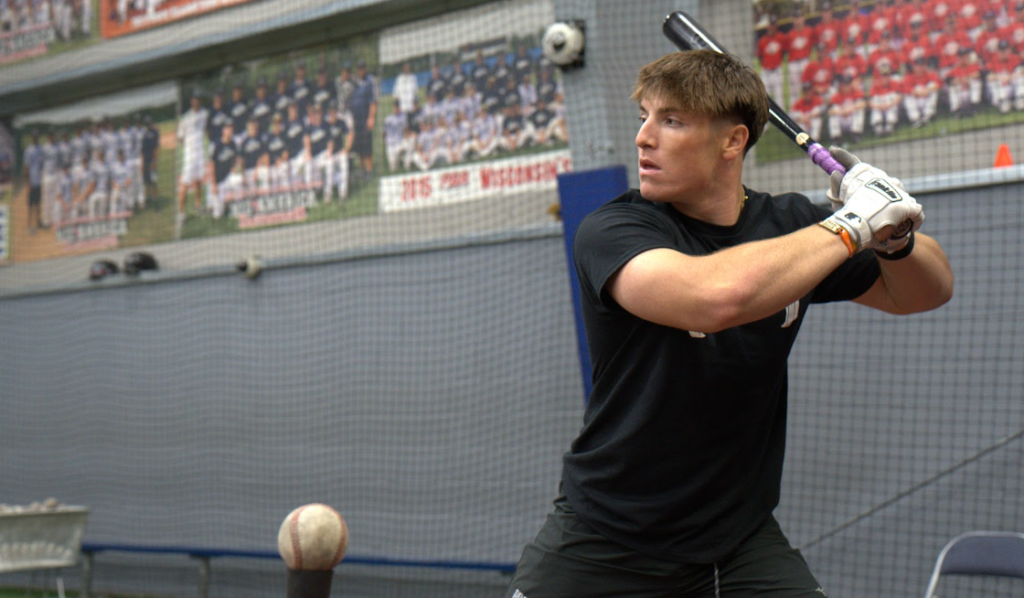
Even strong athletes lose velocity if their mechanics are inefficient.
Focus on Timing and Sequencing
Great pitching mechanics are about timing. Your lower body should lead, your torso should follow, and your arm should come through last.
If everything fires at once, you lose velocity. When your sequence is clean, energy flows naturally through your body and into the ball.
Improve Hip-Shoulder Separation Without Forcing It
Hip-shoulder separation simply means your hips begin rotating before your shoulders. This creates a stretch that helps generate more power.
The mistake many players make is trying to force this position. Instead, focus on better lower-body movement and balance. Separation will improve naturally as your mechanics improve.
Use Video and Coaching Feedback to Spot Energy Leaks
You cannot fix what you cannot see. Recording your bullpen sessions from the side and from behind can reveal issues like poor direction, early rotation, or balance problems.
Even better, work with a coach who understands pitching mechanics. Small adjustments can lead to big velocity gains.
Use Throwing Drills That Transfer to Game Speed
Not all drills are created equal. The best ones mimic the intent and movement of real pitching.
Long Toss With Intent and Structure
Long toss has been a staple for pitchers for a reason. It builds arm strength, improves feel, and encourages natural arm speed.
The key is structure. Gradually build distance and focus on maintaining good mechanics. It is not about throwing as far as possible. It is about throwing with intent and control.
Medicine Ball Drills for Full-Body Power
Medicine ball work is one of the safest ways to train explosive movement for pitchers. Rotational throws, scoop tosses, and shotput-style throws all help develop power through the core.
Keep the weight light enough to move fast. Speed and intent matter more than resistance here.
Flat-Ground Work for Direction and Finish
Flat-ground throwing allows you to focus on movement quality without the added intensity of the mound.
Use it to reinforce direction toward the plate, clean arm action, and a strong finish. It is a great bridge between drills and full bullpen work.
Protect Your Arm While You Chase More Velocity
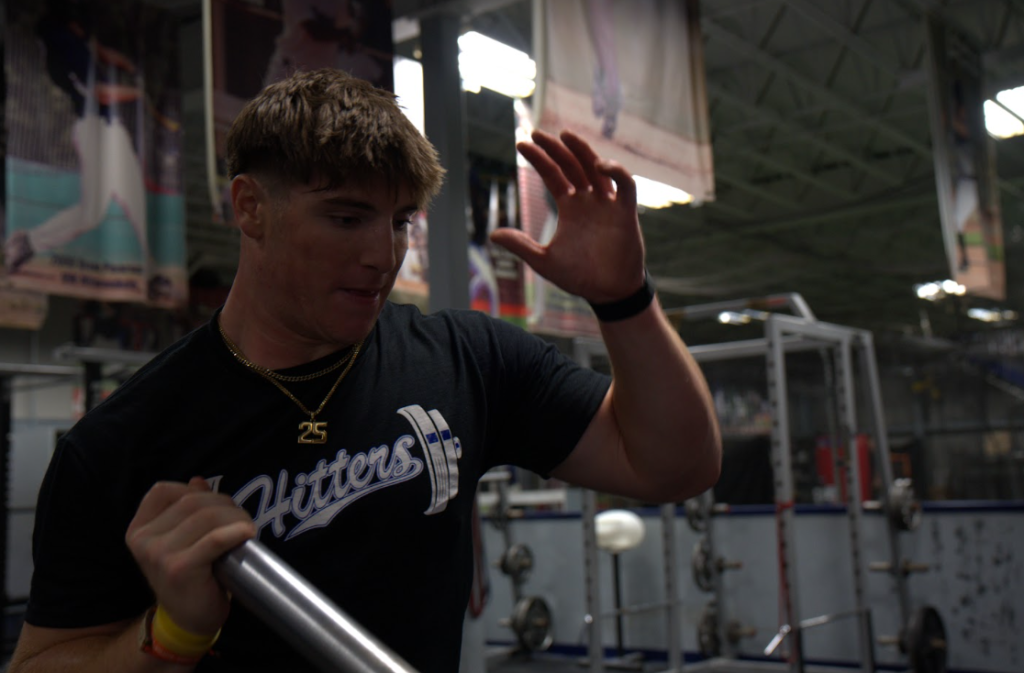
Velocity gains are only valuable if you can stay healthy.
Arm Care Is Part of Velocity Training
Arm care is not optional. Strong, stable shoulders allow you to throw harder and recover faster.
Incorporate band work, shoulder stability exercises, and proper warm-ups into every throwing session. These habits add up over time.
Recovery Habits That Support Faster Throwing
Your body adapts during recovery, not during training. Sleep, hydration, and proper nutrition all play a major role in how much velocity you can gain.
Make recovery part of your routine, not an afterthought.
Know the Warning Signs of Overdoing It
Pay attention to your body. Loss of command, lingering soreness, or a drop in arm speed are all signs you may be doing too much.
Backing off early can prevent bigger setbacks later.
Be Careful With Weighted Balls and Other Quick-Fix Promises
There is no shortage of programs promising instant velocity gains.
Why Weighted Ball Programs Can Increase Velocity
Weighted balls can help improve arm speed and throwing mechanics when used correctly. They introduce different stimuli that can lead to adaptation.
Why More Is Not Better
The biggest mistake players make is doing too much too soon. Overloading the arm without proper strength and supervision increases risk.
Progression and control matter more than intensity.
Who Should Avoid DIY Weighted Ball Programs
Younger players, athletes dealing with soreness, or anyone without a structured program should avoid experimenting on their own.
If you are going to use these tools, do it under the guidance of an experienced coach.
A Simple Offseason Plan to Add MPH Safely
A structured plan brings everything together and keeps you progressing.
Phase One Build Mobility and Strength
Start by improving movement quality and building a strength base. Focus on mobility, stability, and controlled strength work.
Phase Two Add Power and Intent
Once you have a base, begin adding explosive training and higher-intent throwing. This is where velocity starts to climb.
Phase Three Blend Velocity Work With Specific Throwing
Transition into more game-like throwing. Incorporate flat grounds and bullpens while maintaining strength and recovery.
Sample Weekly Flow
A balanced week might include two lower-body strength days, two throwing days, one explosive training day, and dedicated recovery time. Consistency is what drives results.
How to Know If Your Velocity Training Is Working
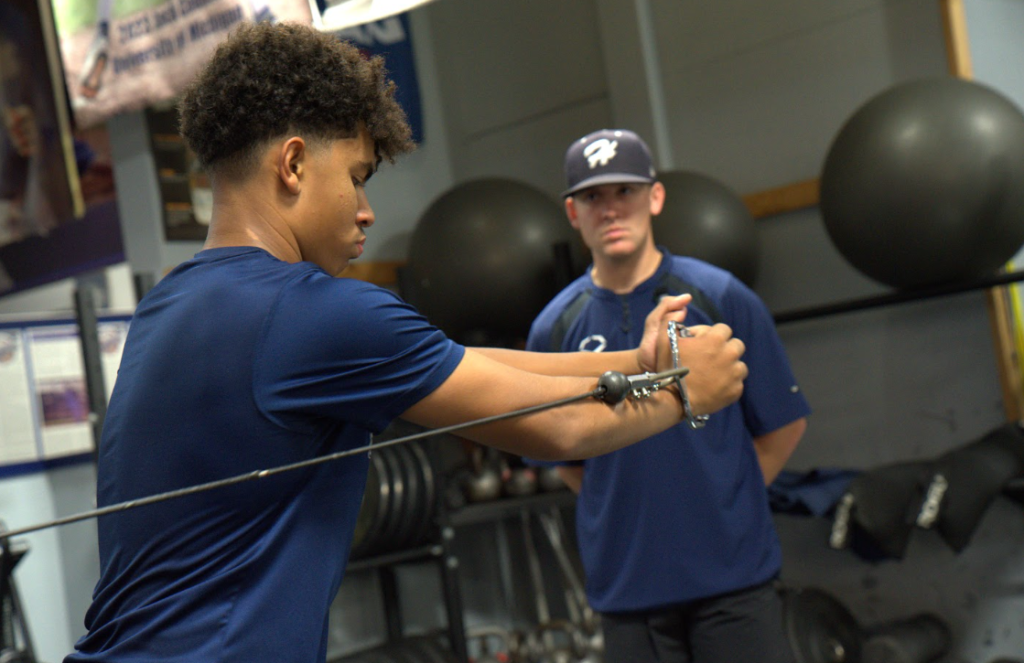
Progress is not just about the radar gun.
Track More Than Radar Gun Numbers
Pay attention to how your body feels, how consistent your command is, and how your mechanics look on video. Strength gains and improved movement are also strong indicators.
Look for Sustainable Gains, Not One Hot Reading
Anyone can hit a high number once. Real progress shows up when you can repeat it consistently without feeling overworked.
FAQs
How Can I Increase My Pitching Velocity Without Hurting My Arm
Focus on full-body strength, clean mechanics, progressive throwing, and consistent arm care. Avoid max-effort throwing every day and prioritize recovery.
Does Long Toss Really Help Pitchers Throw Harder
Yes, when done correctly. Structured long toss builds arm strength and intent, but it should be part of a complete training plan.
Are Weighted Ball Programs Safe for Youth Pitchers
They can be effective, but they also carry risk. Young players should only use them under proper supervision and with a solid strength base.
What Is the Best Offseason Workout for Pitchers to Gain Velocity
There is no single best workout. The most effective approach combines strength training, explosive movements, throwing progressions, mobility, and recovery.
The Smartest Way to Throw Harder This Offseason
Adding velocity is not about shortcuts. It is about building a complete athlete.
The safest way to increase pitching velocity is through a combination of strength, power, efficient mechanics, smart throwing, and proper recovery. When all of these pieces work together, velocity becomes a natural outcome.
If you are ready to take your velocity to the next level, the right environment makes all the difference. At Hitters Baseball Academy, players get access to elite coaching, structured offseason programs, and the tools needed to develop safely and effectively.
Train with purpose this offseason. Reserve your training time or learn more at hittersbaseballacademy.com or call 262.835.1800.
